Deciphering Multi-Currency Settlement Mechanics That Recalibrate Progression Thresholds Across Membership Echelons When Users Alternate Between Automated Reel Sequences and Real-Time Hosted Sessions Inside App Ecosystems
Theo Albrecht · Nov 1, 2026
Deciphering Multi-Currency Settlement Mechanics That Recalibrate Progression Thresholds Across Membership Echelons When Users Alternate Between Automated Reel Sequences and Real-Time Hosted Sessions Inside App Ecosystems
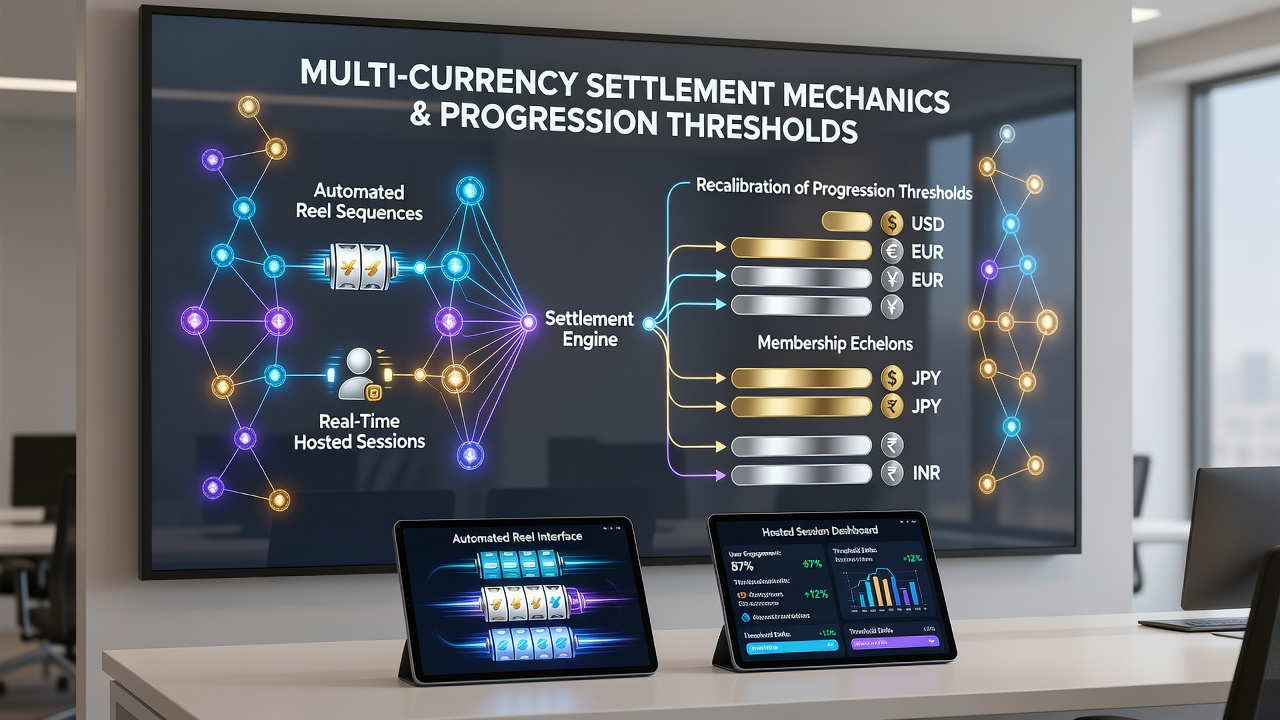
Multi-currency settlement mechanics operate through integrated payment processors that convert wagers and winnings across fiat and digital currencies while tracking activity in real time, and these systems recalibrate progression thresholds automatically when users shift from automated reel sequences to real-time hosted sessions inside app ecosystems because the underlying algorithms assign different point values to each game category based on volatility and session duration data. Observers note that operators deploy these frameworks to maintain consistent loyalty calculations even as transaction volumes fluctuate across borders and currency pairs.
Core Components of Settlement Systems
Settlement engines rely on API connections to banking networks and cryptocurrency ledgers that execute conversions at prevailing exchange rates while logging each transaction against player accounts, and this process ensures that deposits made in one currency contribute accurately to tier advancement metrics when gameplay crosses from slots into live dealer environments. Research indicates that major platforms update their conversion matrices daily to reflect market movements, which prevents discrepancies that could otherwise stall membership progression during high-volume periods such as those observed in November 2026.
Threshold recalibration occurs through rule-based engines that monitor game-type transitions and apply multipliers or deductions to required point totals for each echelon, whereas automated reel sequences typically generate steady accumulation rates and real-time hosted sessions introduce variable factors tied to table limits and player interaction frequency. Those who've studied platform architectures report that these adjustments maintain fairness across membership levels by normalizing contributions from both formats.
Progression Threshold Adjustments During Game Switches
When users alternate between formats, the system pauses the current accumulation model and activates the alternate set of parameters within milliseconds, and this seamless handoff prevents loss of progress while ensuring that live dealer sessions do not inflate or deflate points earned from prior slot activity. Data from industry reports shows that platforms handling multi-currency flows apply weighted averages across currencies to stabilize threshold calculations during such switches.
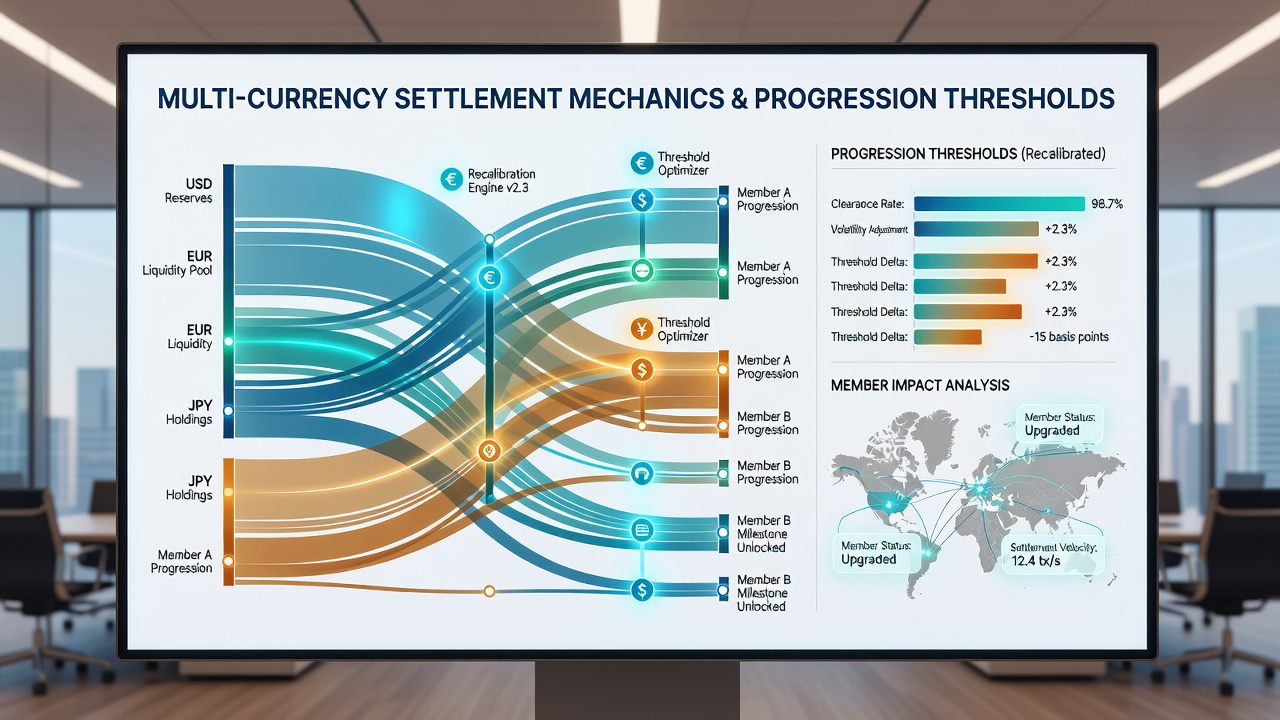
Membership echelons feature distinct bands that require cumulative activity measured in normalized currency units, and the recalibration logic factors in session length, average bet size, and currency stability to determine how quickly a player advances or maintains status. Experts have observed that these mechanisms become particularly relevant in regions with volatile exchange rates where frequent conversions could otherwise distort loyalty metrics.
App Ecosystem Integration and Real-Time Processing
Inside mobile app ecosystems, backend servers synchronize settlement data across user devices and central databases using encrypted channels that support simultaneous multi-currency tracking, and this architecture allows instant recalculation of progression thresholds whenever gameplay patterns change. According to figures released by the Malta Gaming Authority, transaction processing speeds in such environments averaged under three seconds during peak testing cycles in late 2026.
Real-time hosted sessions introduce additional variables because dealer interactions and side bets generate separate transaction streams that the settlement engine must merge with reel-based data, and the resulting combined totals feed directly into tier algorithms that adjust required milestones for silver, gold, and platinum levels accordingly. People familiar with these platforms note that integration testing ensures no lag occurs even when users toggle rapidly between formats.
Regulatory and Technical Considerations
Regulatory frameworks in multiple jurisdictions require transparent logging of all currency conversions and threshold changes, and operators must demonstrate that recalibration rules treat automated and live sessions equitably to retain licensing compliance. A report from the International Gaming Institute highlights how audit trails capture every adjustment made during November 2026 testing periods across European and Asian markets.
Technical teams implement fallback protocols that revert to single-currency baselines if multi-currency feeds experience interruptions, and this safeguard protects progression integrity during transitions between reel sequences and hosted tables. Observers note that such redundancy measures have become standard in apps serving international user bases.
Conclusion
Multi-currency settlement mechanics continue to evolve alongside app-based gaming platforms as they recalibrate progression thresholds to accommodate shifts between automated reel sequences and real-time hosted sessions, and these systems support consistent membership advancement across echelons through precise conversion and weighting processes. Data shows sustained adoption of these frameworks in markets worldwide as operators refine integration methods to handle increasing transaction complexity.